In the glass
Madeira wine, glass by glass
The four noble white grapes from dry to rich, why the wine is heated as it ages, and how to read a label, so the glass with your fado means something.
Reserve your seat for the set ↗A wine made by accident at sea
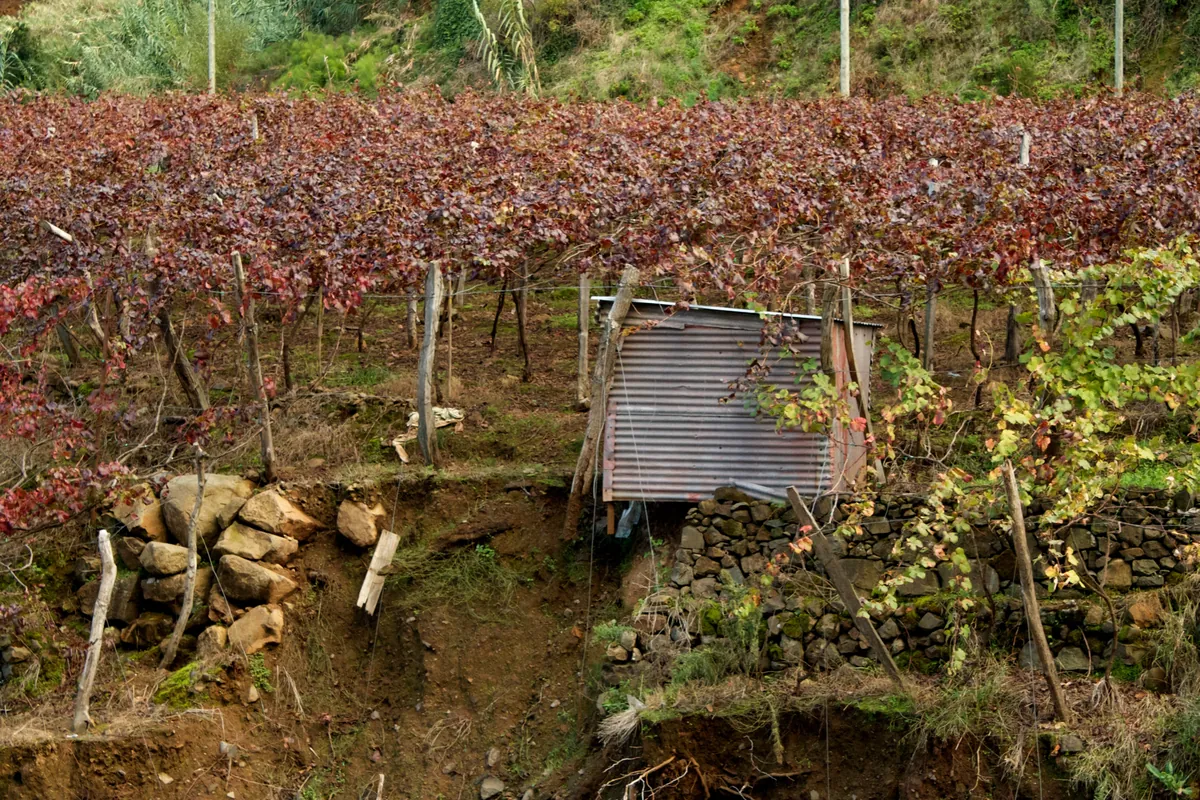
Madeira is a fortified wine made on the island of the same name. Its story begins with ships. From the Age of Exploration the island was a regular port of call on the routes to the New World and the East Indies, and casks loaded here crossed the tropics in hot holds. Producers began adding grape spirit so the wine would survive, and found that the heat and motion of the voyage improved it. Wine that had made the round trip, sold as vinho da roda, became popular, and the island learned to recreate that heat at home instead of sending barrels around the world.
The English and the American connection
Commercial treaties with England, among them the marriage treaty of 1662, brought English merchants to Funchal, and they came to control much of the trade. The eighteenth century was the wine's golden age. The American colonies were such keen customers that they took as much as 95% of the island's yearly production, and Madeira was used to toast the Declaration of Independence. The good times ended in the nineteenth century, when powdery mildew and then phylloxera ruined most of the vineyards, and a long decline followed before producers turned back to quality.
Four grapes, four sweetness levels
The classic styles carry the names of four white grapes, and each name tells you roughly how sweet the wine will be. Fermentation is stopped with grape spirit earlier for the sweet styles and later for the dry ones, and every one keeps a high natural acidity that stops the sweet wines tasting cloying. From driest to sweetest they run:
- Sercial: almost fully dry, with almond notes and high acidity
- Verdelho: a little sweeter, smoky, still sharp with acidity
- Bual (also spelled Boal): medium-rich, dark, with raisin flavours
- Malvasia, or Malmsey: the richest, dark, with coffee and caramel notes
The others in the cellar
Terrantez is the fifth noble grape, rare after oidium and phylloxera and now being replanted with government support; its wines sit between Verdelho and Bual in sweetness. Most Madeira, though, is made from Tinta Negra, a red grape that accounts for roughly 85% of production and can be made in several sweetness levels. Since 2015 it can be named on the label. Wines named after the four noble white grapes must contain at least 85% of the variety they name, a rule that came with European Union regulations in 1986.
Heat, fast or slow
What makes Madeira unique is that it is aged warm. Younger wines, typically three and five years old, go through estufagem, in which tanks or rooms are heated to speed up ageing. The best wines are aged by the canteiro method instead: they rest in casks in warm lofts, warmed only by the island's climate, for many years. The result is a wine already oxidised by design, which is why Madeira is so long-lived in the bottle, and why canteiro wines can last for decades, even after opening.
Reading the label
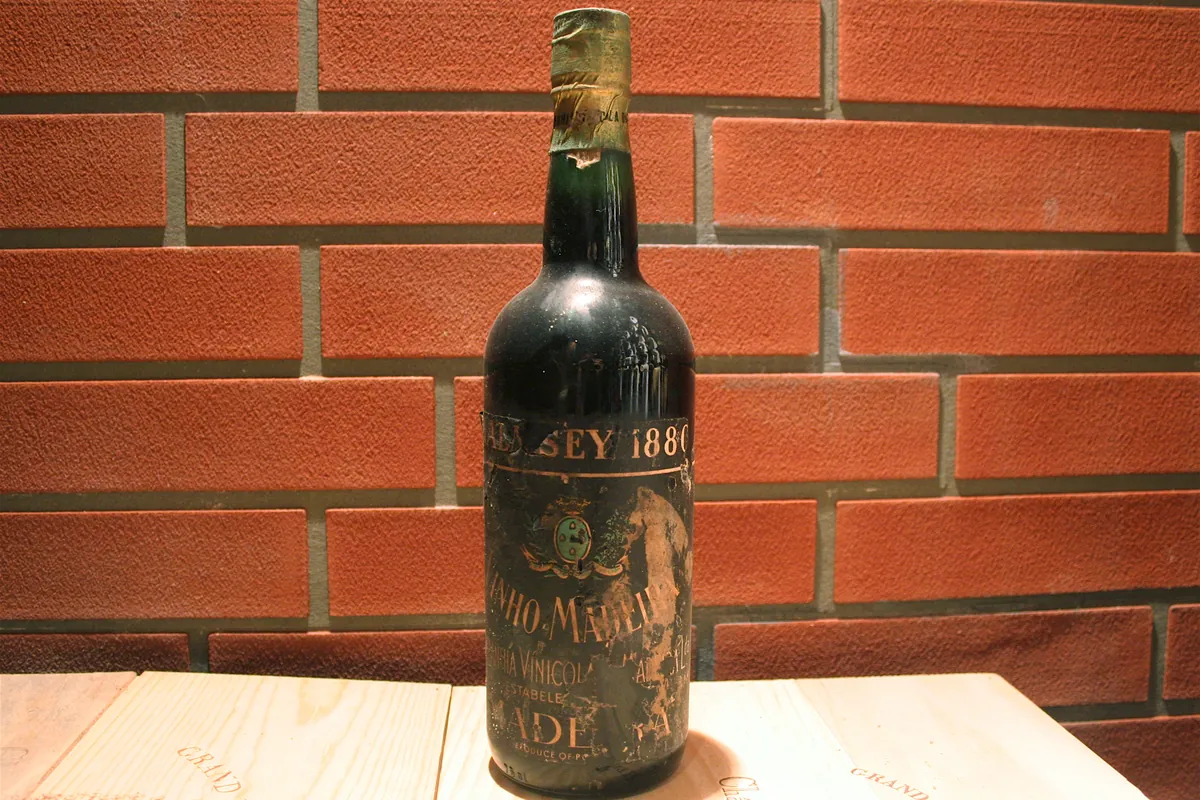
Labels mostly tell you two things: the grape or sweetness level, and the age. Wines marked Fine or Finest, or with no age at all, have at least three years and are the ones used in cooking. Reserve means at least five years. Colheita is a single-harvest wine aged at least five years, and Frasqueira is vintage Madeira, which needs at least twenty years before it can carry that name. For a first glass at a concert, none of this matters much, but it helps when you see the bottle and want to buy one to take home.
Sources